

Kasey Bellegarde Armstrong
Kasey Bellegarde Armstrong, DNP, MPH, RN (she/her) is the Place-Based Initiatives Regional Manager with Health Care Without Harm. A public health nurse by training, she completed her doctoral studies in Health Innovation and Leadership at the University of Minnesota School of Nursing, focusing her work on planetary health, global nursing leadership, and healthcare design. She holds an affiliate faculty appointment with the University of Minnesota School of Nursing Population Health and Systems Cooperative and a Master of Public Health from the Johns Hopkins Bloomberg School of Public Health. Prior to Health Care Without Harm, she held inaugural health care innovation and design roles at the American Nurses Enterprise and Ariadne Labs. Dr. Bellegarde Armstrong has been involved in local, national, and international climate advocacy efforts including attending the annual UN climate summit as a delegate and is an alumnus of the International Council of Nurses Global Nursing Leadership Institute Program. She spends her free time exploring New England and watching her daughter discover the world with wonder.

Kent Boyd
Kent Boyd, DNP, RN, PHN is a registered nurse with experience in pediatric hematology/oncology, solid organ transplant, and adult orthopedics. He received his Bachelor of Science in Kinesiology from the University of North Dakota, his Masters in Nursing from the University of Minnesota, and his Doctor of Nursing Practice (DNP) from the University of Minnesota in the Health Innovation and Leadership specialty. Kent focused his doctoral studies on Planetary Health, community climate adaptation and resilience, and transformative systems change. His doctoral work was in collaboration with MCAP, where he developed and piloted a training program for health professionals emphasizing translating climate projections to the impacts on human health, conducting vulnerability assessments with the inclusion of climate modeling tools, and being able to lead, advocate for, and advise community resilience hubs projects across Minnesota.
Suellen Breakey
Suellen Breakey, PhD, RN, is Associate Director of the Center for Climate Change, Climate Justice, and Health and a Distinguished Teaching Associate Professor in the School of Nursing at MGH Institute of Health Professions. She teaches in the Doctor of Nursing Practice and accelerated BSN programs. Her clinical background includes cardiac surgery, critical care, hospice care, and global health nursing.
For over 10 years, she was a leader with Team Heart, a nonprofit organization that provides RHD screening, cardiac surgical care and follow-up, and patient/provider education in Rwanda.
Her scholarship interests include the impact of climate change on human health and well-being, bioethics, and global health ethics. Dr. Breakey is a co-author of Global Nursing in the 21st Century, which was published in 2015. She co-chaired the National League for Nursing’s 2022 Vision Statement on Climate Change and Health. Dr. Breakey has published widely and presented locally, regionally, nationally, and internationally.

Karen Duderstadt
Karen G. Duderstadt PhD, RN is a Clinical Professor Emerita at the University of California San Francisco (UCSF) School of Nursing. She is the past Director of the Pediatric Nurse Practitioner program. She completed her PhD at UCSF in Nursing & Health Policy in 2006, and her research focused on Access to Care for low-income Children. She is a founding member of the Alliance of Nurses for Healthy Environments (ANHE) and has served on the Steering Committee and the Policy and Advocacy Committee working on environmental and chemical policy reform. She was a Health Policy Fellow with the UCSF Program on Reproductive Health and the Environment in 2012 and presented on an EPA panel on the impact of chemical policy on children’s health. She has presented and published on a wide range of child health policy topics and environmental health issues nationally including access to care for children living in low-income families, the impact of childhood overweight and obesity on the health care system, the impact of chemical policy on children’s health, and on tobacco policy and impact on youth.
Tom Engle
ChairTom Engle, MN, RN is mostly retired. His past work history includes County Health Director, County Mental Health Director, and Community Liaison Director Oregon Health Division. He was the chair of the organization of county health departments in Oregon for 10 years. He is on the board of the Oregon Public Health Association, Co-Chairs the Oregon Action Future of Nursing group, is on a County health department advisory board and the OHSU-PSU School of Public Health advisory board. He is on the APHA Governing Council. He has been on the board of the Association of Public Health Nurses. He facilitated passing the first local tobacco ordinances in Oregon. He was an early chair of the Oregon Breast and Cervical Cancer Coalition, and was an early scholar of the National Public Health Leadership Institute.

Robyn Gilden
Dr. Robyn Gilden is an Assistant Professor in CPH Nursing and Director of the Environmental Health Certificate at University of Maryland School of Nursing (UMSON). She serves on the Alliance of Nurses for Healthy Environments Steering Committee and Research Work Group. Prior to obtaining her PhD, she gained mastery of environmental health concepts through her post-master’s certificate in Environmental Health and work as a program manager in the Environmental Health Education Center. She worked in two staff positions in the role of community outreach and technical assistant for the Hazardous Substance Research Center for Region 3 and then for EnviRN.org and the Alliance of Nurses of Healthy Environments (ANHE) while it was located at UMSON. Dr. Gilden’s research interests include pesticide exposure and protecting unborn babies, infants, and children from exposure in the community. Her overarching goal is to assess pesticide exposure and related health effects in community children and develop interventions to reduce or prevent exposures. This goal is divided into two veins and she has received internal and foundation funding to support this endeavor, including several internal Designated Research Initiative Fund awards (DRIF), the Dean’s Research Scholar (DRS), and an UMB Institute for Clinical & Translational Research (ICTR) award.

LaTressa Gordon
Dr. LaTressa Gordon, DNP, MSN, RN is a DNP-prepared nurse leader with over 30 years of healthcare experience, Army Veteran, and community health strategist. She serves as Global Climate Change Co-Chair for the Alliance of Nurses for Healthy Environments (ANHE) and partners with the American Cancer Society, Thrive initiatives, and NAMI to advance health equity and mental wellness.
Dr. Gordon leads large-scale community efforts across Michigan, including gun violence prevention, Food Is Medicine programming, cancer navigation, and the Flint Cancer Feasibility Study. Her work bridges climate health, behavioral health, and community-based research to improve outcomes in underserved populations. She is currently pursuing her PMHNP certification.

Tara Heagele
Tara Heagele, PhD, RN, FAAN is an Associate Professor at the Hunter-Bellevue School of Nursing whose work centers on disaster preparedness and community resilience. She brings extensive clinical and volunteer experience, including service with her local Medical Reserve Corps during extreme weather events and public health emergencies. Her research includes developing a validated, interdisciplinary household emergency preparedness instrument and using it to better understand and improve readiness in diverse communities. Dr. Heagele views climate change advocacy as vital to reducing disaster-related harm and is dedicated to advancing prevention-focused research and action.
Katie Huffling
Executive DirectorKatie Huffling, DNP, RN, CNM, FAAN (she, her) is a Certified Nurse-Midwife and is the Executive Director the Alliance of Nurses for Healthy Environments. Ms. Huffling works with nurses and national nursing organizations on a variety of environmental health issues including climate change, chemical policy, inclusion of environmental health into nursing education, and sustainable healthcare. Ms. Huffling has written numerous peer-reviewed articles on environmental health issues and was an editor of the recently released environmental health e-textbook “Environmental Health in Nursing” which won the 2017 AJN Book of the Year in Environmental Health.

Elizabeth Joseph
Elizabeth Joseph, APRN-BC, MPH is a Nurse Practitioner and an Educator working at one of the largest hospitals (Jackson Health System-JHS) in Florida for 30 years. She is the coordinator for Advanced Burn Life Support (ABLS) at JHS.
Ms. Joseph has volunteered in Haiti on three separate occasions after the 2010 earthquake and has contributed over 1000 hours of her time to develop nursing content and training guidelines for staff and administration at Bernard Mev hospital, Port O Prince, Haiti. While pursuing a Master’s Degree in Public Health, she completed an internship at the World Health Organization in Geneva.
In 2019, Ms. Joseph attained a Sustainable Development Certificate from Harvard University and her research interests lie in the field of Climate Emergency and its impacts on health. She is a certified climate speaker from the CLEO institute (Miami) and has delivered several presentations on Climate Change and its impact on health nationally and internationally. She is one of the founding member and the co-chair of the Climate Committee at her hospital. Her other interests lie in the field of Ecotourism, with the main objective being to promote health and wellbeing for tourists, park and lodge staff and local communities. She has conducted on-site research on Ecolodges in four continents.

Jeanne Leffers
Jeanne Leffers, PhD, RN, FAAN worked as a public health nurse in Tennessee and Virginia and has taught nursing for more than 30 years in Tennessee, Massachusetts and Rhode Island. Currently she is a Professor Emeritus at the University of Massachusetts Dartmouth College of Nursing where she taught in the BS, MS and PhD programs and served as Graduate Program Director. Much of her career has been spent in teaching and practice in community/public health nursing and she served on the National Executive Board of ACHNE (Association of Community Health Nursing Educators) and with the American Public Health Association, Public Health Nursing Section. Her special interests within community/public health are environmental health and global health where she focused her teaching, research and service. In her global health work, she has been a nurse volunteer in Uganda, the Dominican Republic, Guatemala, Honduras and Haiti, also serving as a faculty mentor to more than 100 UMass Dartmouth and University of Rhode Island nursing students on global service learning trips. She currently serves on the Steering Committee for Nursing Education at Health Volunteers Overseas (HVO), as the former HVO nursing education coordinator for Uganda and the Sigma Theta Tau International Service Task Force. Dr. Leffers co-authored the book Volunteering at Home and Abroad: Essential Guide for Nurses (2011 ), co-edited the book Global Health Nursing: Building and Sustaining Partnerships (2014), and is an author/editor of the ANHE Environmental Health in Nursing textbook. She served on the Environmental Protection Agency’s Children’s Health Protection Advisory Committee (CHPAC) from 2012-2017 where she chaired the Social Determinants of Health workgroup.

Jessica LeClair
Jessica LeClair, PhD, MPH, RN conducts a research program where her overall goal is to improve the health status of communities most burdened by the triple planetary crisis of climate change, pollution, and biodiversity loss. Dr. LeClair’s research program aims to identify and facilitate effective public health practices that advance planetary health in these communities. Dr. LeClair utilizes mixed methods to study collaborative planetary health strategies implemented by public health nurses and their community partners. She holds affiliated appointments at the Nelson Institute for Environmental Studies, the School of Medicine and Public Health, and the Center for Climatic Research.

Matthew Lindsley
Ruth McDermott-Levy
Dr. Ruth McDermott-Levy, PhD, MPH, RN, FAAN is an associate professor at Villanova University’s M. Louise Fitzpatrick College of Nursing and Co-director of the Mid-Atlantic Center for Children’s Health and the Environment. She has extensive community health nursing practice experience. Ruth served as the Director of the College of Nursing’s Center for Global and Public Health for 6 years. She has worked with Arab immigrant families in Philadelphia and families living in fracking communities of Northeastern Pennsylvania to study, educate, and reduce environmental health risks for each group. She is recognized as an expert in environmental health nursing education and has authored several publications regarding implementing environmental and climate health into the nursing curricula. She is an editor of the 2017 AJN awarded Book of the Year, Environmental Health in Nursing. In 2018 Ruth lived in Finland as a Fulbright-Saastamoinen Foundation Health and Environmental Sciences Scholar where she conducted research and taught at the University of Eastern Finland. She has been an invited speaker at Global Climate & Health Summit, in conjunction with COP24, Katowice, Poland in 2018 and at International Nurses Day at the United Nations in 2019. In 2020, she was awarded the prestigious Charlotte Brody Award for environmental health nursing leadership and Sigma Theta Tau International, Alpha Nu Chapter Excellence in Nursing Leadership Award. Ruth is committed to assuring healthy environments for children and their families.
Kathy Murphy
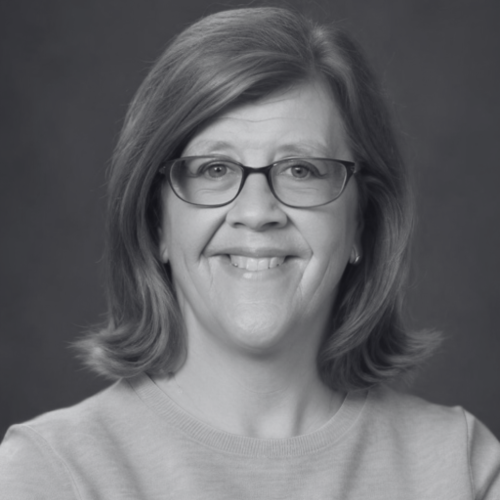
Kathy Murphy received her nursing degree from St. Mary’s Hospital School of Nursing in Waterbury, Ct and her Associate Degree in Science from Mattatuck Community College, Her Bachelor’s Degree in Science from Southern Connecticut State University, Master’s Degree in Science in Nursing from the University of Hartford, and her Doctorate in Education from the University of Hartford. The topic for her doctoral thesis was the Confidence of New Nurse Graduates in the Application of Environmental Health in the Nursing Process.
Dr. Murphy has a vast experience in pediatric nursing, working in pediatrics at Yale-New Haven Hospital, Waterbury Hospital, and St. Mary’s Hospital in Waterbury, Ct, as well as a Public Health Nurse for the City of Waterbury. She has considerable experience in OB nursing having worked in the Family Birthing Center of Waterbury Hospital providing care to new families and teaching OB clinical experiences for several nursing programs in Connecticut, including Gateway Community College, Yale University and the University of Connecticut.
Dr. Murphy is the Director of the RN/ADN to BSN program at Charter Oak State College, with experience in higher education as Professor of Nursing at Naugatuck Valley Community College (NVCC) in the ADN program and faculty at the University of Hartford where she created and taught courses on environmental health and climate change.
Dr. Murphy has several publications on environmental health and climate change and has presented at many conferences on these topics. She is an active member of the Alliance of Nurses for Healthy Environments, former co-chair of the Education Workgroup, a member of the Steering Committee and an editor of the second and third edition of the free online e-text Environmental Health in Nursing, with the work for the 4th edition underway. Dr. Murphy has several contributions to this text.
Kiley Petersmith
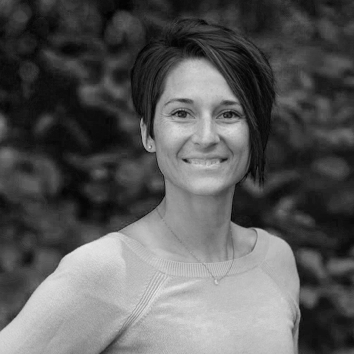
Kiley Petersmith, DNP, RN is the Core Coordinator and Assistant Professor for the Doctoral Public Health Policy Program at Nebraska Methodist College, where she brings experience in population health and health policy to the next generation of health leaders. A three-time alumna of Nebraska Methodist College, she holds a BSN, MSN in Nursing Education, and a Doctor of Nursing Practice in Public Health Policy.
Throughout her career, Dr. Petersmith has been an advocate for health equity and community-based interventions. Her past leadership as Director of Diversity and Community Engagement at Nebraska Methodist College was marked by the development and oversight of innovative, health-centered programs and partnerships—especially those addressing the social and environmental determinants of health in underserved communities. She directed mobile health initiatives including lead screening outreach in Omaha’s residential Superfund site and coordinated diabetes and chronic disease prevention programs and care coordination services, bringing care directly to where people live, work, play, and learn. Her scholarship and community engagement have earned her numerous accolades, including the Inspire Omaha Excellence in Education Nominee and the March of Dimes Public Health Nursing Hero Award.
She is a co-chair of the Practice Committee and member of the Policy & Advocacy Committee for the Alliance of Nurses for Healthy Environments. She also completed their fellowship program and a peer mentorship with the Climate Advocacy Lab. Dr. Petersmith serves on multiple advisory boards, including the Nebraska Child Lead Prevention Advisory Board, Omaha Colon Advisory Board, and previous member of Healthy Housing Omaha and Chair of Nebraska Action Coalition. Committed to advancing civic health, inclusive engagement, and systems-level change, Dr. Petersmith continues to shape equitable health policy, mobilize community partnerships, and mentor healthcare professionals in addressing environmental and social injustices that affect public health.

Claire Richards, PhD, BSN, BS
Climate change poses new threats to human health through direct, indirect, and compounding hazards that interact with social, political and economic inequities. For this reason, Claire Richards, PhD, BSN, BS focuses her research on health equity and social justice in the context of climate change. Recent work has been focused on power outages and social vulnerability. Central findings from this work include the potential to model power outages as a continuous rather than dichotomous exposure (allowing for identification of thresholds based on health outcome data), and the lack of transparency into power outage data (hampering its use for prioritizing energy resilience efforts). Findings inform future researchers wishing to use PowerOutage.US data (or other publicly available outage data) about potential biases caused by using certain estimation methods, and support policy changes in requiring outage data availability and analyses of differential exposure for socially vulnerable populations. She has also been involved in studies related to climate adaptation in agriculture and climate hazards (human migration). In future work, she plans to focus on energy and health, energy justice, and social movements/activism and health
Doriam Camacho Rodriguez
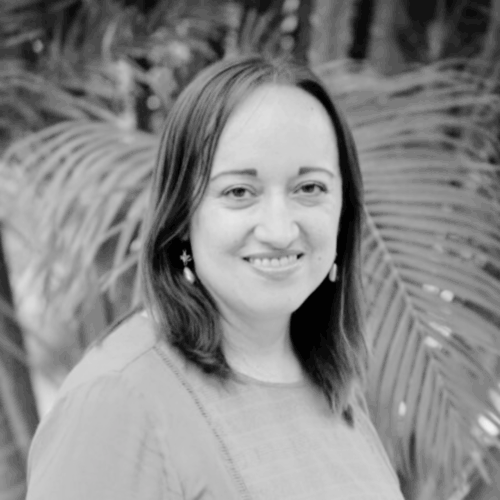
Dr. Doriam Camacho, PhD, MBA, RN, Dean of the Faculty of Nursing at the Universidad Cooperativa de Colombia. She led and represented ANHE Latin America before the Climate and Health Network of Latin America and the Caribbean. For 13 years, she has been working on incorporating environmental issues into the Nursing curriculum, a pioneering effort that has allowed her to participate in academic discussion spaces in various countries. Her research interests revolve around promoting children’s environmental health and the prevention of climate-sensitive diseases through citizen science and transdisciplinary research. In 2022, Dr. Camacho’s tireless efforts were recognized by the Sigma Theta Thau International Latin America and Caribbean Region. She was honored as one of the “100 Bold Nurses in Latin America and the Caribbean Promoting Excellence in Nursing” for her significant contributions to Nursing, Climate Change, and the Environment.
Valerie K. Sabol
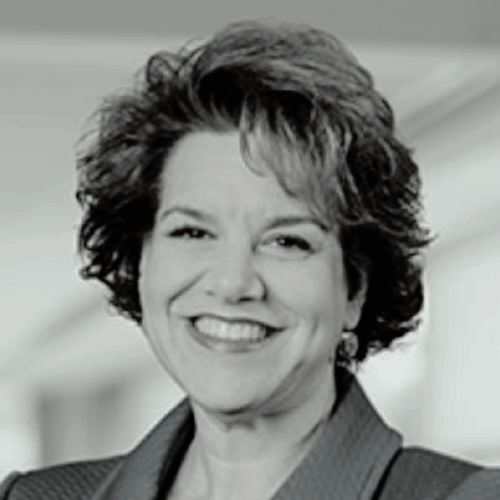
Valerie K. Sabol, PhD, MBA, ACNP-BC, GNP-BC, CHSE, CNE, ANEF, FAANP, FAAN is a clinical professor and the inaugural Director of Planetary Health at the Duke University School of Nursing (DUSON). With over 25 years of clinical experience, she is board-certified as both an Adult Acute Care and Gerontology Nurse Practitioner. A passionate advocate for climate and sustainability in healthcare, Dr. Sabol is at the forefront of integrating planetary health into nursing education, research, and practice. She serves as Duke University’s Education Co-Chair for Climate Change and Sustainability, leading efforts to integrate these concepts into curricula across all Duke Schools. She co-leads Moral Movements in Medicine, an interprofessional humanities course exploring ethics and social responsibility in healthcare. She is also the co-developer of a Coursera course called Climate Change and Health for Healthcare Professionals. Recognized for her leadership in this space, she was selected for the 2024 Environmental Health Research Institute for Nurse and Clinician Scientists (EHRI-NCS), an NIH-funded mentorship program advancing environmental health research in nursing. A past GAPNA President, her research and clinical interests focus on how climate change, nutrition, physical activity, and obesity impact aging, mobility, and mental health. She has worked across critical care, outpatient, and telehealth settings, and currently provides clinical care to our aging Veterans at the Durham VA Medical Center.
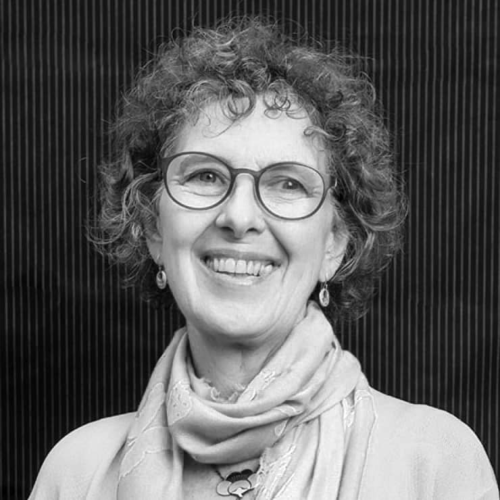
Barbara Sattler
Dr. Sattler is a Professor at the University of San Francisco (USF) and an international leader in environmental health and nursing. She is a founding and active member of the Alliance of Nurses for Healthy Environments.
At USF, she teaches environmental health in the Doctor of Nursing Practice and Master of Public Health Programs. Prior to her position at USF, Dr. Sattler was at the University of Maryland for 25 years where she directed the Environmental Health Education Center in the School of Nursing. Over the years, Dr. Sattler has lead projects on lead poisoning prevention, greening hospitals, sustainable agriculture, climate change, children’s environmental health, and faculty development programs in environmental health.
She has been an advisor to the US EPA’s Office of Child Health Protection and the National Library of Medicine for informational needs of health professionals on environmental health. Dr. Sattler has been the PI on a host of grants from NIEHS, HUD, and the EPA. She helped to found Health Care Without Harm, a national organization focused on greening the health care sector. She is the author of Environmental Health and Nursing, and many peer-reviewed articles. Dr. Sattler is a Registered Nurse with an MPH and DrPH from the Johns Hopkins School of Public Health. She is a Fellow in the American Academy of Nursing.
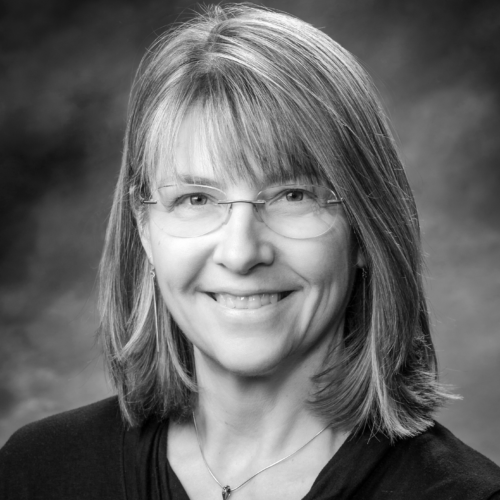
Elizabeth Schenk
Elizabeth Schenk, PhD, RN, FAAN is the Executive Director of Environmental Stewardship for Providence, a health system with over 50 hospitals and 1000 clinics. She is instrumental in helping advance the organization toward its goal of becoming carbon negative by 2030, through the conservation of resources, education, and research.
Beth is assistant research professor at Washington State University College of Nursing. She led the development of CHANT: Climate and Health Tool, measuring health professionals’ awareness and engagement with climate change and health. CHANT has been translated to several languages and used in over 30 nations. She developed the WE ACT Framework (Waste, Energy/water, Agriculture/food, Chemicals, Transportation) to organize the extensive range of environmental stewardship, while motivating action.
As a board member of the Alliance of Nurses for Healthy Environments, she hosts the Nurses for Healthy Environments podcast. She is on the boards of Montana Health Professionals for a Healthy Climate and Climate Smart Missoula.
Beth has been honored with the Charlotte Brody Award, as a distinguished alumnus from the University of Montana, and as a Fellow in the American Academy of Nursing.

Anabell Castro Thompson
Anabell Castro Thompson, MSN, APRN, ANP-C, FAAN, FAANP is a Nurse Practitioner and Senior Vice President of Health Equity at Equality Health.
A Fellow of the American Academy of Nursing and the American Association of Nurse Practitioners, Anabell’s leadership exemplifies sustained commitment towards improving healthcare for vulnerable and underserved communities, especially Latino Communities. Determined to bridge health care disparities, she is responsible for building and managing innovative programs and strategic initiatives around Cultural Care Models and the Social Determinants of Health.
Anabell is passionate about principles of environmental justice and climate equity and had the enormous pleasure to participate with Jane Fonda’s Fire Drills Friday’s – Climate and Health Session in December 2019.
Anabell is Immediate Past President of the National Association of Hispanic Nurses (NAHN) and serves on multiple national boards, including ANHE and ecoAmerica Health Leadership Circle. She has been honored as a distinguished alumni by both her alma maters—the University of Arizona and Arizona State University.

Jessica Varghese
Dr. Jessica Varghese is a tenured Associate Professor of Nursing at New York Institute of Technology. With over 25 years of experience in clinical practice, education, and healthcare leadership, she bridges nursing, policy, and education. She holds a Ph.D. in Nursing from University at Buffalo, an M.S. in Nursing Leadership, an M.A. in Urban Affairs, and a B.S. in Nursing from St. John Fisher College.
Dr. Varghese’s scholarship focuses on professional identity formation, trauma-informed care, health equity, environmental and global health, and social determinants of health. She is the Chair of the Alliance of Nurses for Health Environment’s justice, equity, diversity and inclusion (JEDI) committee. A prolific presenter and author, she is recognized for mentoring, leadership, and innovation. She was recently inducted as a Distinguished Fellow of the Academy of Diversity Leaders in Nursing (FADLN). Dr. Varghese advances inclusive, transformative nursing education, preparing students and nurses to lead, advocate, and drive meaningful change in complex healthcare systems.

Cristina Watkins
Cristina Watkins is a board-certified family nurse practitioner (FNP-BC) with over 15 years of experience in a variety of medical specialties from pediatrics to vascular neurology, to currently working in telemedicine practicing family and urgent care medicine. After finishing her undergraduate degrees in molecular cell biology and public health at UC Berkeley, she went on to earn her MSN degree from Samuel Merritt University. The Covid pandemic reawakened her passion for public health and health promotion driving her to enroll in the DNP/MPH program at Johns Hopkins University. There she focused on climate change and its effects on health especially among vulnerable groups. Her DNP project looked at climate change’s effects on water security with the understanding that access to clean water is vital for health especially amoung the most vulnerable, pregnant or nursing moms and their babies.
Outside of healthcare, Cristina is always up for an adventure, whether it’s trying a new craft like making stained glass or sailing around the Caribbean with her family.