Nurses and other healthcare providers are likely familiar with hearing about toxic chemicals such as PFAS or “forever chemicals” and other chemicals encountered in both the hospital and home that can impact human health. However, most healthcare providers do not know where to find information critical to providing evidence-based care when a patient comes in with questions nor how to manage care if an exposure is identified.
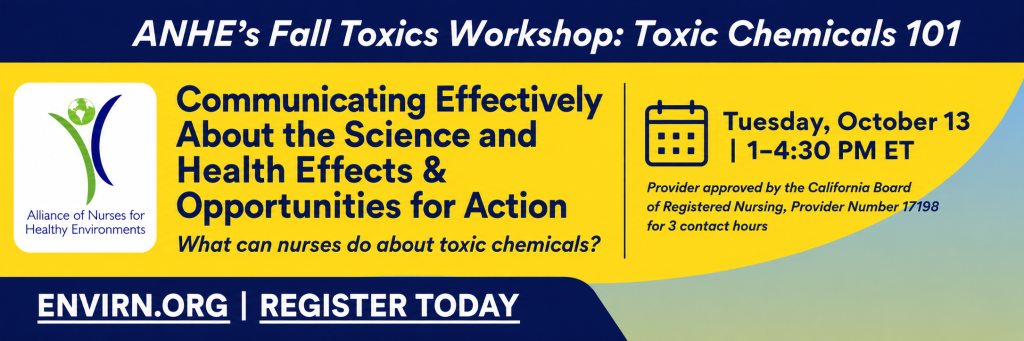
This three hour workshop will serve as a primer for nurses, healthcare professionals and clinicians to better understand the connection between climate change and toxic chemicals, explore the current science of selected toxic chemicals including PFAS, review the potential health impacts of toxic chemicals, and discuss how to effectively communicate about toxic chemicals to patients, colleagues, communities and policymakers. This webinar will also discuss where clinicians can access additional resources and continue their learning.
Provider approved by the California Board of Registered Nursing, Provider Number 17198, for 3 contact hours.

Keynote Speaker:
Title: “Farmworker Health at the Intersection of Heat and Pesticides: A Decade of Community-Engaged Research”
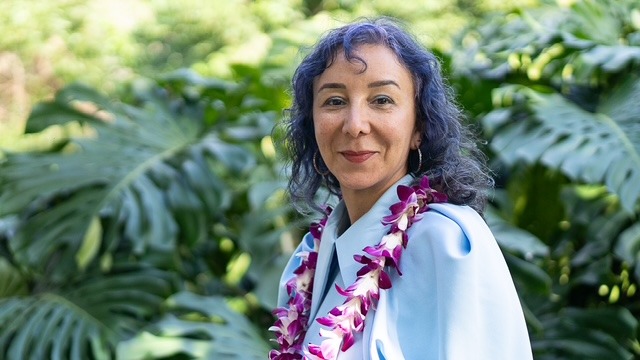
Dr. Roxana Chicas, PhD, RN, FAAN
Roxana C. Chicas, PhD, RN, FAAN is an Associate Professor at Emory University’s Nell Hodgson Woodruff School of Nursing and a 2024-2026 American Academy of Nursing Fellow at the National Academy of Medicine. An environmental and occupational nurse scientist, she studies exposures in agricultural workers, who face heat, pesticides, and other environmental hazards together.
She led the first US field studies testing cooling and hydration interventions with this workforce. Her current work is developing wearable biosensors to detect heat-related illness, dehydration and kidney injury; she is also examining the role of the microbiome, inflammation, and metabolomics in heat-related illness. She serves on the board of Farmworker Justice, and her work has been covered by The Washington Post, CNN, NPR, NBC News, and Al Jazeera.
Title: “Introduction to Practical Toxicology For Clinicians”
Pouné Saberi, MD, MPH
Pouné Saberi, MD, MPH is a board-certified physician in occupational and environmental medicine whose work focuses on climate change, environmental exposures, worker health, and environmental justice. She serves as the Section Chief of Occupational and Environmental Medicine at the Philadelphia VA Medical Center, where she oversees employee health, environmental medicine exposure consults, and related clinical programs. Dr. Saberi is also adjunct faculty at the Hospital of the University of Pennsylvania and Cooper Medical School of Rowan University, where she teaches topics including health and climate change. A longtime leader in Physicians for Social Responsibility Pennsylvania, she has served on the boards of both Physicians for Social Responsibility Pennsylvania and National Physicians for Social Responsibility, including serving as president of each. Her publications, teaching, and invited presentations have addressed fracking, air pollution, extreme heat, climate-related workplace risks, and the health benefits of clean energy. Dr. Saberi is also the founder of EnviroMedSphere which aims to advance education and clinical practice in environmental medicine.
Communicating on the science through Shared Narrative
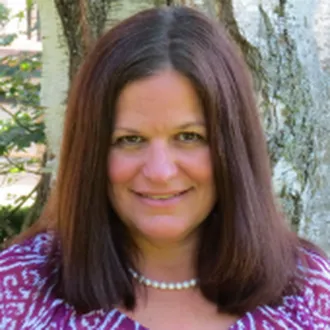
Laurie Valeriano, Executive Director, Toxic-Free Future
Laurie Valeriano has worked at Toxic-Free Future for over 25 years, working to advance precedent-setting state environmental health policies that protect people and the environment. During her tenure she has led successful campaigns resulting in bans on toxic flame retardants and PFAS in products, adoption of the nation’s strongest standards for toxic chemicals in children’s toys and products, and strongest policy for regulating and removing chemicals in common consumer products. Laurie received a BA in Political Science from the State University at Albany. A mother of three, she lives in Seattle and loves to practice yoga, fish, and cook delicious meals with friends and family.
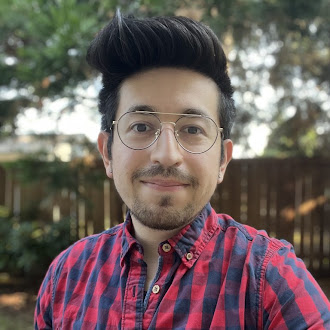
Eduardo Valenzuela, Communications Manager, Safer States
Eddy joined Safer States in 2020 and has been a key part of the team ever since, providing vital communications support to advance the organization’s mission. He helps amplify the work of state leaders driving policy solutions to protect communities from toxic chemicals and plastics. Before joining Safer States, Eddy served as an Environmental Programs Assistant for the City of Arcata, where he played a pivotal role in advancing local sustainability initiatives. One of his most notable achievements was assisting in the development of Arcata’s Single-Use Disposable Foodware Ordinance, which requires that all single-use foodware be fiber-based and free of fluorinated chemicals.
Eddy holds a bachelor’s degree in Environmental Science & Management from Humboldt State University, demonstrating his commitment to environmental causes both personally and professionally. Based in Portland, Oregon, he shares his home with his partner, Ben, and their ever-curious cat, Lady Pouncealot. Outside of work, he enjoys reading, gaming, and travel planning.
Panel Presentations:
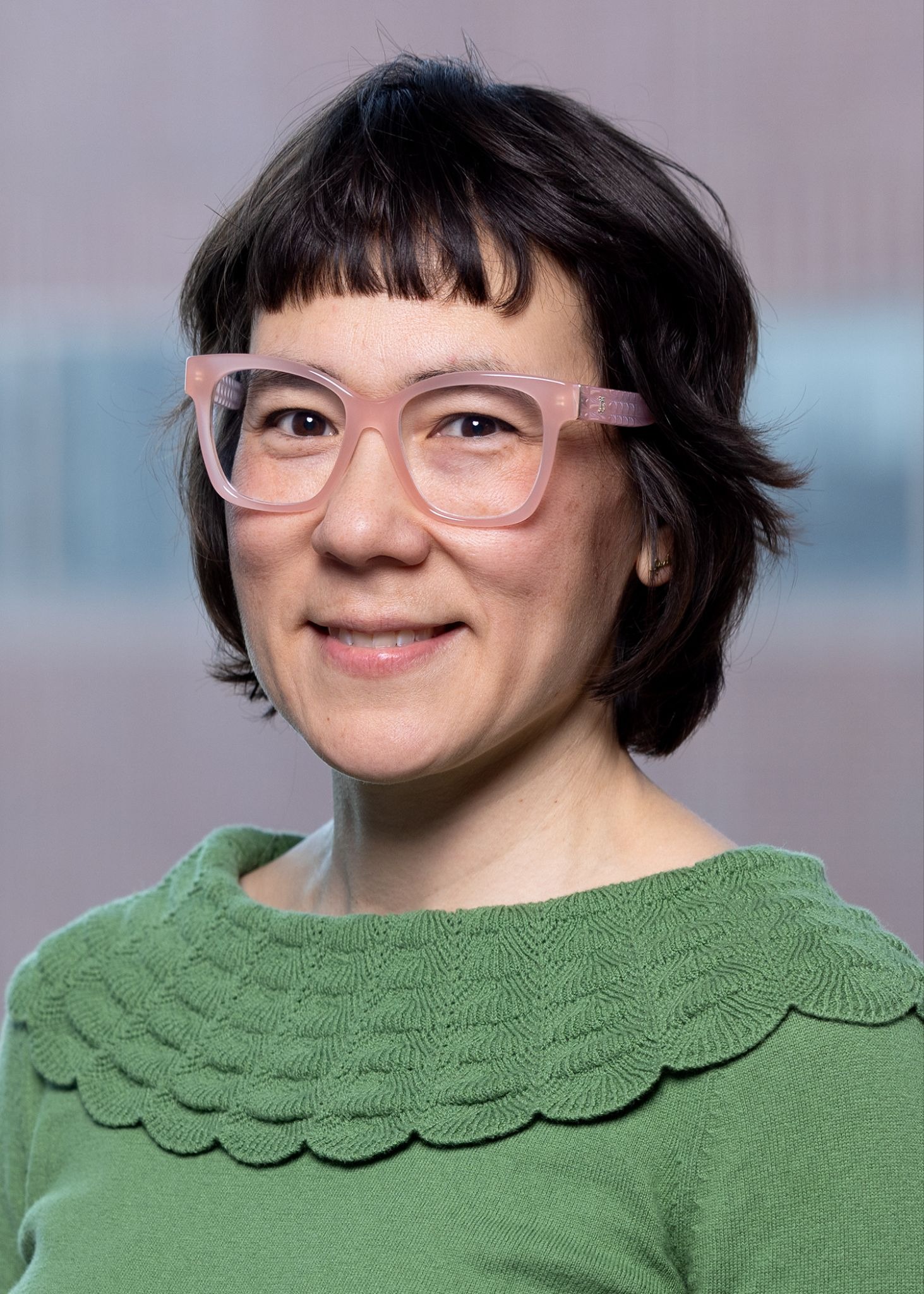
Panel presenter: Mary Kosuth PhD
Mary Kosuth has been studying microplastic pollution for a decade. While earning an MS and PhD at the University of Minnesota’s School of Public Health, she refined methods to test a wide range of environmental media, consumer products, and human biospecimens. Having spent time gathering empirical evidence of this contaminant, fully appreciating its global reach and pervasiveness, and considering the health impacts that may stem from exposure, she is now interested in examining the larger systems that generate plastic waste.
In her current role as a postdoctoral fellow at the Institute on the Environment, she is working on a mixed-method study of single use plastics in healthcare. In her free time she likes to mountain bike, read non-fiction, watch armadillo videos, and imagine a world that prioritizes health, happiness, and harmony above all else.
Gretchen Salter, Policy Director, Safer States
Since 2005, Gretchen has been a leading advocate in the environmental health movement. Drawing on her experience as an organizer in electoral politics, she spearheaded campaigns in California to eliminate toxic chemicals from children’s products and advocated for programs that improved disclosure in cosmetic products and cleaning products. Gretchen was also instrumental in creating California’s comprehensive program to eliminate toxic chemicals from consumer products.
Gretchen served as the California representative to Safer States until she joined the Safer States team in 2015. Since then, she has been advising lawmakers on chemical policies as well as building new campaigns and coalitions to further the creation of a just and sustainable economy. When not trying to save the world, Gretchen performs in local and regional theater and can frequently be found hiking the hills of the San Francisco Bay Area with her husband and two daughters.

Panel presenter: Melanie Agnes S. Mariano, DNP, MPH, FNP-BC, RN
Melanie A. Mariano, DNP, MPH, FNP-BC, RN (she/her) is a family NP currently working as an Assistant Professor of Nursing at Columbia University. She has nearly a decade of nursing experience, and is committed to advancing health equity by addressing social and structural drivers of health. She received both her BSN and MSN from the University of Pennsylvania. As an NP with experience in both primary care and endocrinology, she noticed the macro-level issues affecting patient care.
To further explore these issues, she earned her post-Master’s DNP and MPH through the dual-degree program at Johns Hopkins University Schools of Nursing and Bloomberg School of Public Health. She currently serves as an elected officer on the Nomination Council of the American Association of Nurse Practitioners. She is a member of Sigma Theta Tau Honor Society at both the Xi and Nu Beta at-large chapters.


