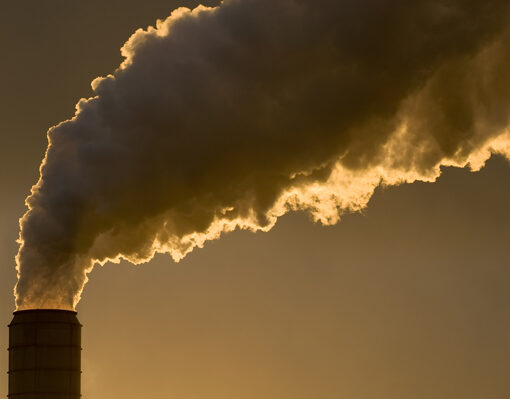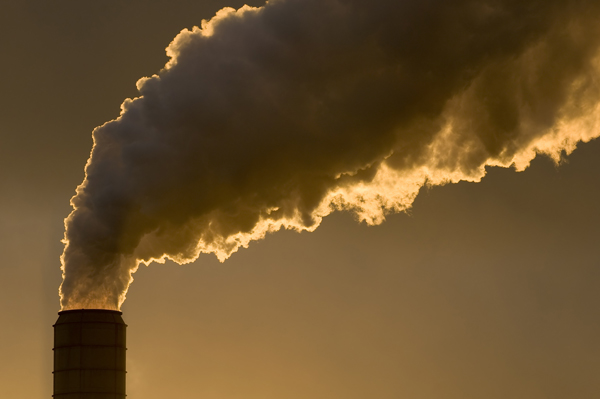
Every day, cars, trucks, and buses release pollution into the air we breathe. These tailpipe emissions contribute to smog and soot, exposing people to harmful pollutants even when they are not the ones driving.
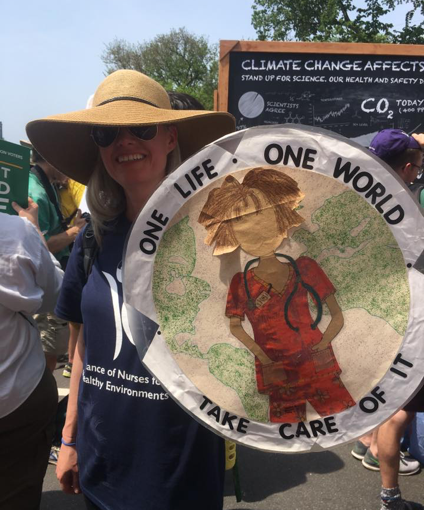
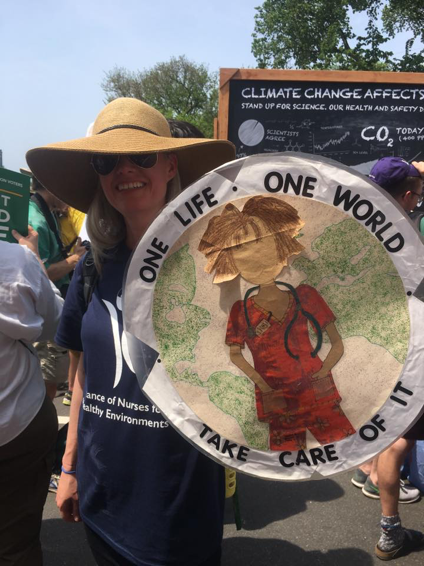
Like secondhand smoke, secondhand smog affects everyone nearby. It is especially dangerous for children, older adults, people with asthma or other lung conditions, outdoor workers, and communities located near highways, ports, warehouses, and busy roads. Nurses see these health impacts firsthand. Across the country, we care for patients and families whose health is shaped by the air in their neighborhoods, schools, workplaces, and homes. Cleaner transportation is a public health priority.
Cars and trucks that combust fuel also emit smog forming emissions, such as nitrogen oxide, non-methane organic gases, carbon monoxide, particulate matter, and formaldehyde. Smog can make it difficult for some people to breathe, triggering lung diseases such as asthma, emphysema, and chronic bronchitis, which may lead to premature death. – U.S. Environmental Protection Agency. (n.d.). Smog, soot, and local air pollution from vehicle emissions. https://www.epa.gov/greenvehicles/smog-vehicle-emissions
Health Organizations Oppose Rollbacks to Clean Vehicles Standards
Secondhand smog is killing us. It’s time we treated it that way – Opinion Editorial by Dr. Katie Huffling featured in The Washington Times
The US Environmental Protection Agency has released a proposal to delay the enforcement of limits on health-harming tailpipe pollution from cars and trucks would dramatically worsen air quality, deepen our chronic disease crisis, and cause more Americans to get sick and die from cancer, COPD, and heart disease. Join us in speaking out against these dangerous delays!