One nurse’s experience attending ANHE’s Hill Day and witnessing nurse constituents voice their concerns about environmental issues affecting their local communities.
By Amanda Dowe, RN, BSN| Chamberlain College of Nursing
Preparation for the Hill
A few weeks ago, I was blessed with an opportunity to participate in the Alliance of Nurses for Healthy Environment’s Legislative Hill Day. The day before meetings began ANHE held an intensive Hill Day preparation call and walked us through the importance of nursing advocacy, the impact of climate change on public health, and effective means of influencing legislators through storytelling. We not only reviewed the key legislative asks involving rollbacks of the Endangerment Finding, Toxic Substance Control Act, Clean Car Standards, Per-and Poly-Fluoroalkyl Substances (PFAS), and cuts to agencies like Environmental Protection Agency (EPA), Federal Emergency Management Agency (FEMA), the National Weather Service, and the National Oceanic and Atmospheric Administration (NOAA), but we made connections to what we as nurses have seen in our practice or personal lives and how it impacts the health of our communities.
On the Hill
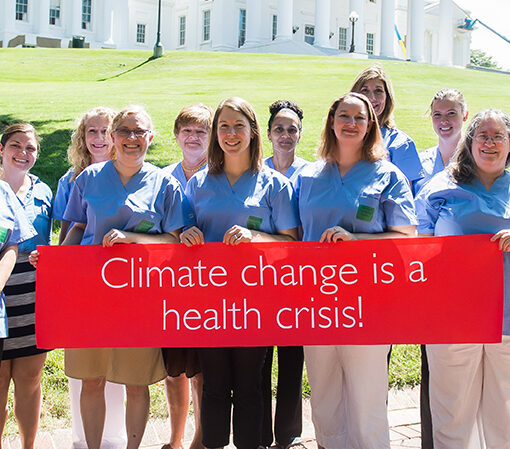
During the virtual Hill Day Meetings, nurse constituents from several states met with their elected representatives staffer and engaged in very focused conversations about how the repeals and rollbacks of the laws above would impact the public’s health. There were fifty three meetings scheduled and although I didn’t attend all, I still gained valuable insight. In the first meeting, a nurse from Connecticut explained how in the industrial town of Waterbury, children are experiencing asthma at alarming rates due to poor air quality. Another nurse asked for tax incentives for solar energy. A home infusion nurse discussed the implications of data centers and how decreased water pressure could present a risk for infection to patients if the nurse is unable to wash their hands. A Texan nurse constituent shared a personal experience of her son and husband using inhalers and how she couldn’t imagine the economic burden of emergency room bills for patients with exacerbation of respiratory conditions caused by poor air quality. On day 2, a New Mexico home health nurse expressed concerns of drought conditions and data centers posing a threat to their already low water supply.
After the Hill
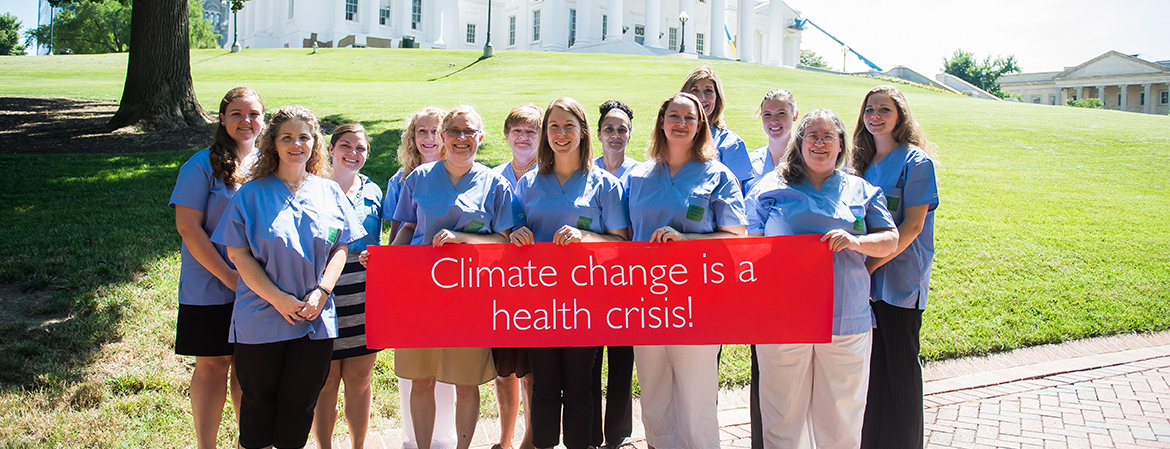
ANHE’s Hill Day was a powerful experience! It was a breath of fresh air to witness nurses from all over the United States, unified with ANHE zoom backgrounds, taking time out of their day to advocate and voice their concerns about repeals and rollbacks of laws that members of their communities aren’t even aware of. The majority of the staffers were very appreciative and had “aha” moments when nurses were able to make relatable connections between climate change and health. But of course, there were some who weren’t impressed by the scientific findings. The one thing we all can agree on is, ANHE’s Legislative Hill Day 2026 proved that nurses have the power to influence policy decisions by reaching out to elected officials, and asking for support of protective policies that impact our environment and our health.
Author’s Reflection
To make changes and improve outcomes, nursing advocacy at the systems level is essential. Many times as nurses we don’t feel autonomous and we always feel as though decisions are being made for us without our inputs. ANHE’s Hill Day helped me realize that ADVOCACY is AUTONOMY! Think about it, at the bedside you can only impact one patient at a time but at the systems level you can help change laws that impact public health! Nurses are trusted messengers who close the gap between patients and legislators. Climate change is a threat to humanity and as nurses we have a moral obligation to raise climate awareness in elected officials as they have no idea of how their laws affect healthcare.
Bio
Amanda Dowe is a Registered Nurse, and a Chamberlain College of Nursing student pursuing a MSN with a concentration in Healthcare Policy. Her nursing expertise is in Oncology, Home Infusion, and Utilization Management. She knows the disproportionate effects of climate change on vulnerable populations first hand when Hurricane Melissa destroyed Jamaica and she advocated for her family via email to government officials to ensure they received basic human necessities like food, water, and sanitation. Currently, she is working with ANHE to complete a practicum project on data centers.